
What is a Periodontal Condition?
Periodontal disease is an infection of the gums that destroys the bone and tissues supporting the teeth. Periodontitis can cause loosening of the teeth, up to and including total loss. Periodontal disease is mostly painless and asymptomatic.
About 80% of people will be affected by periodontal disease before the age of 45, and 4 out of 5 patients are unaware that they have the disease.
Some signs and symptoms of periodontitis are:
- Easy bleeding in the gums
- Inflamed gums
- Gums that separate from the teeth
- Bad breath
- Tooth loss
- Discomfort when chewing
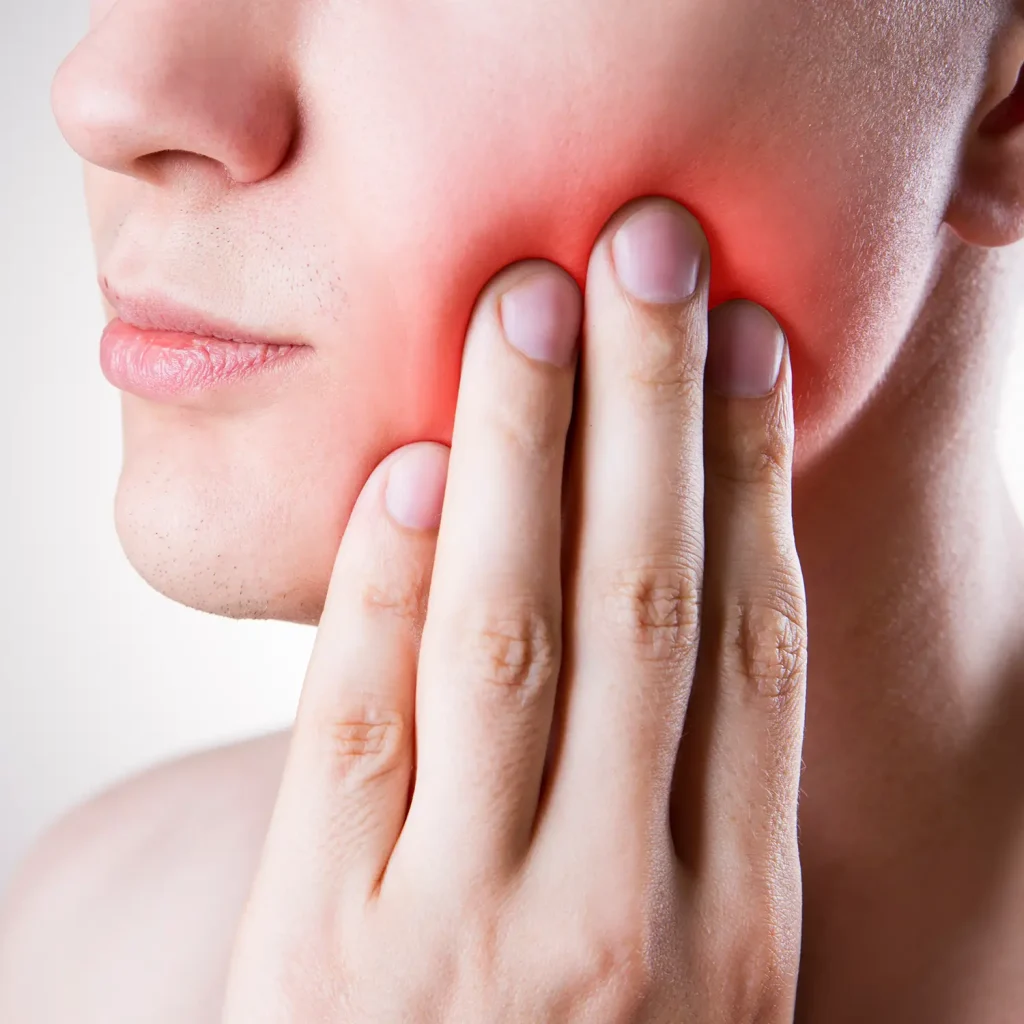
When should you visit a periodontist?
If you notice any of the above symptoms, you should visit a periodontist for a routine evaluation. The sooner you seek help, the greater your chances of reversing periodontal damage.
Periodontal Treatments
Periodontal scaling and root planing – is a non-surgical procedure that removes calculus and bacteria from the dental surface below the gum. It smooths the root surface, reducing inflammation and preventing bone loss.
Periodontal surgery and bone graft – is used when the bone around the tooth has been destroyed by the disease. The bone graft helps prevent tooth loss and leads to the regrowth of natural bone.
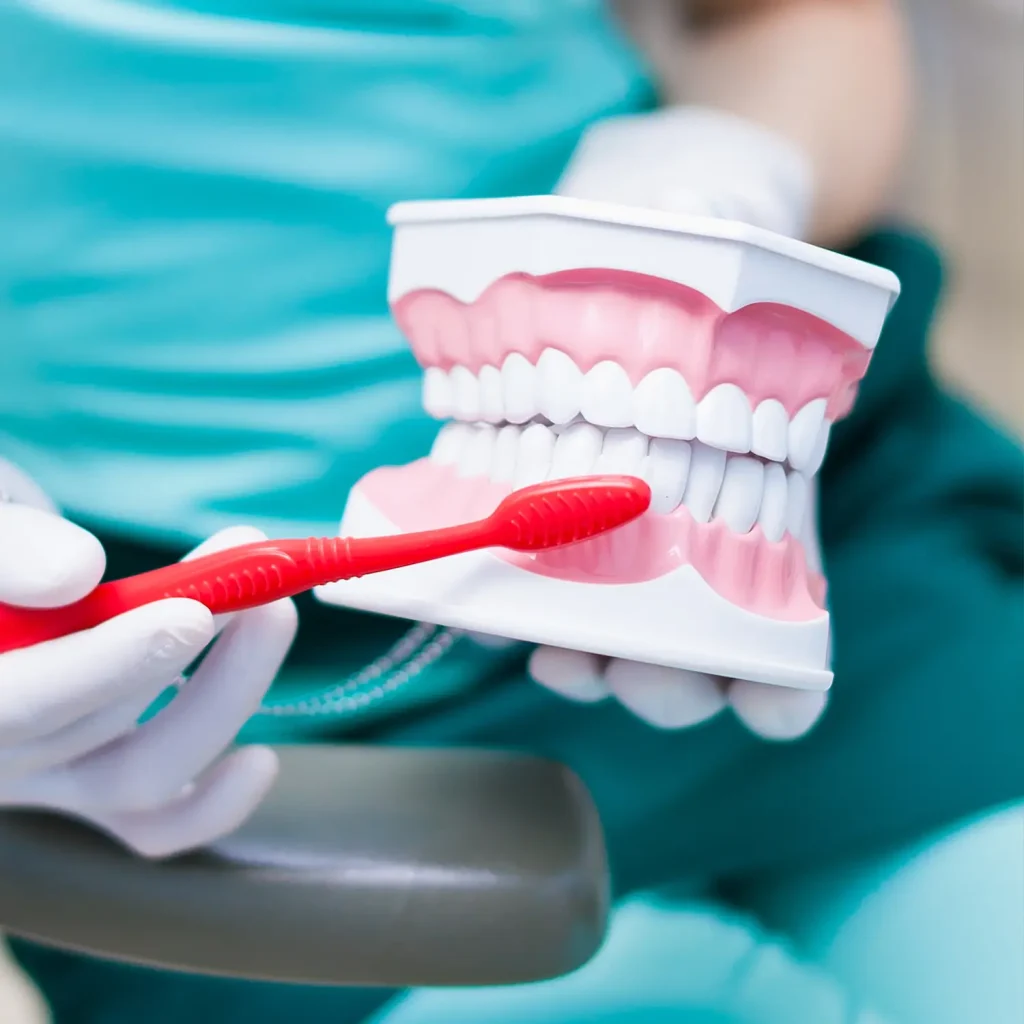
Periodontal Maintenance
In most patients, periodontal maintenance is performed every three months following treatment. This controls bacterial repopulation and prevents disease reactivation. A patient will never be completely cured, but the disease can be controlled and stabilized.
Periodontal Disease and Systemic Complications
The most common complication is total tooth loss. However, patients with periodontitis are prone to respiratory problems, strokes, coronary artery disease, low birth weight newborns, and uncontrolled diabetes.